Cookie Consent Options
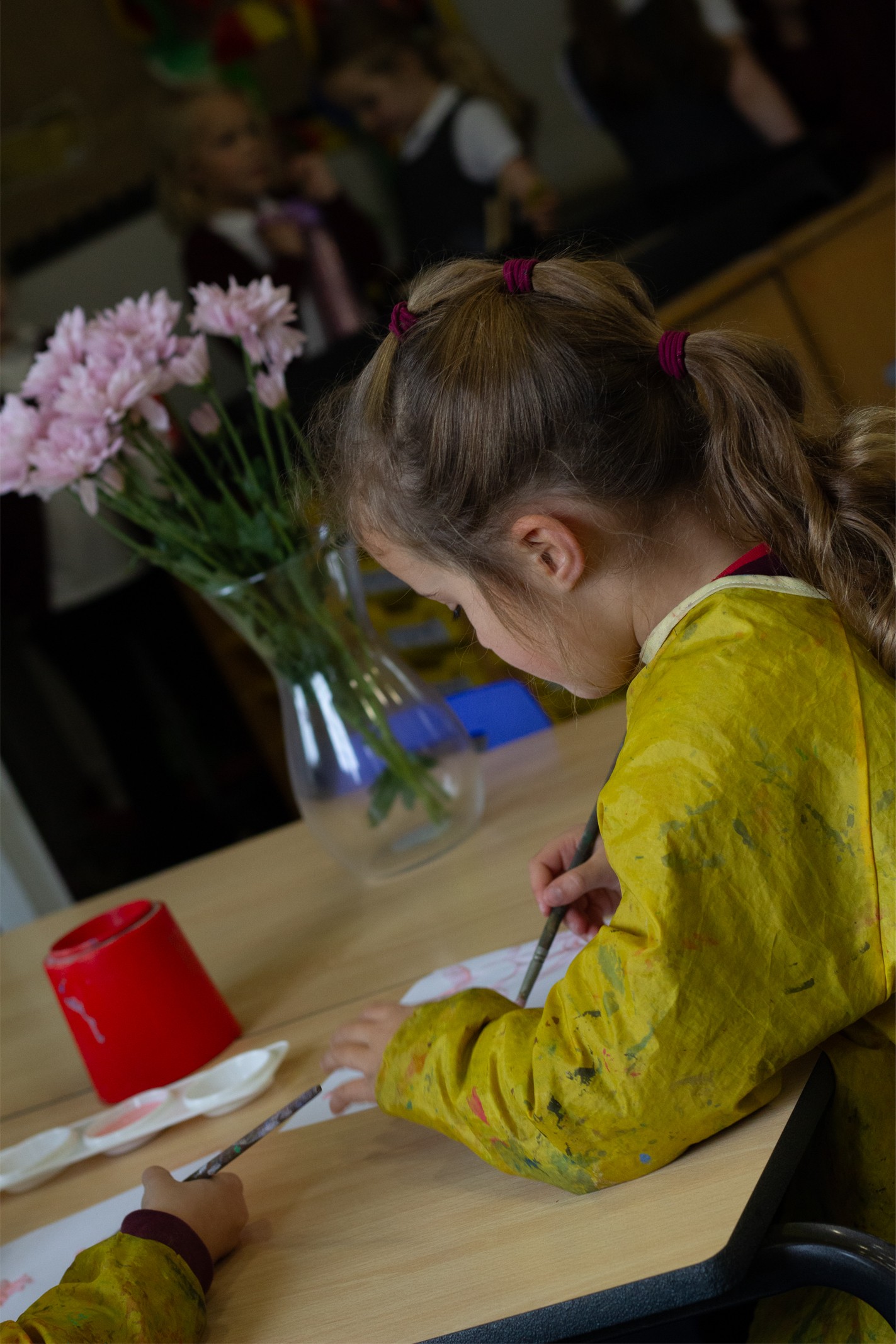
  • Child painting
  • Children playing
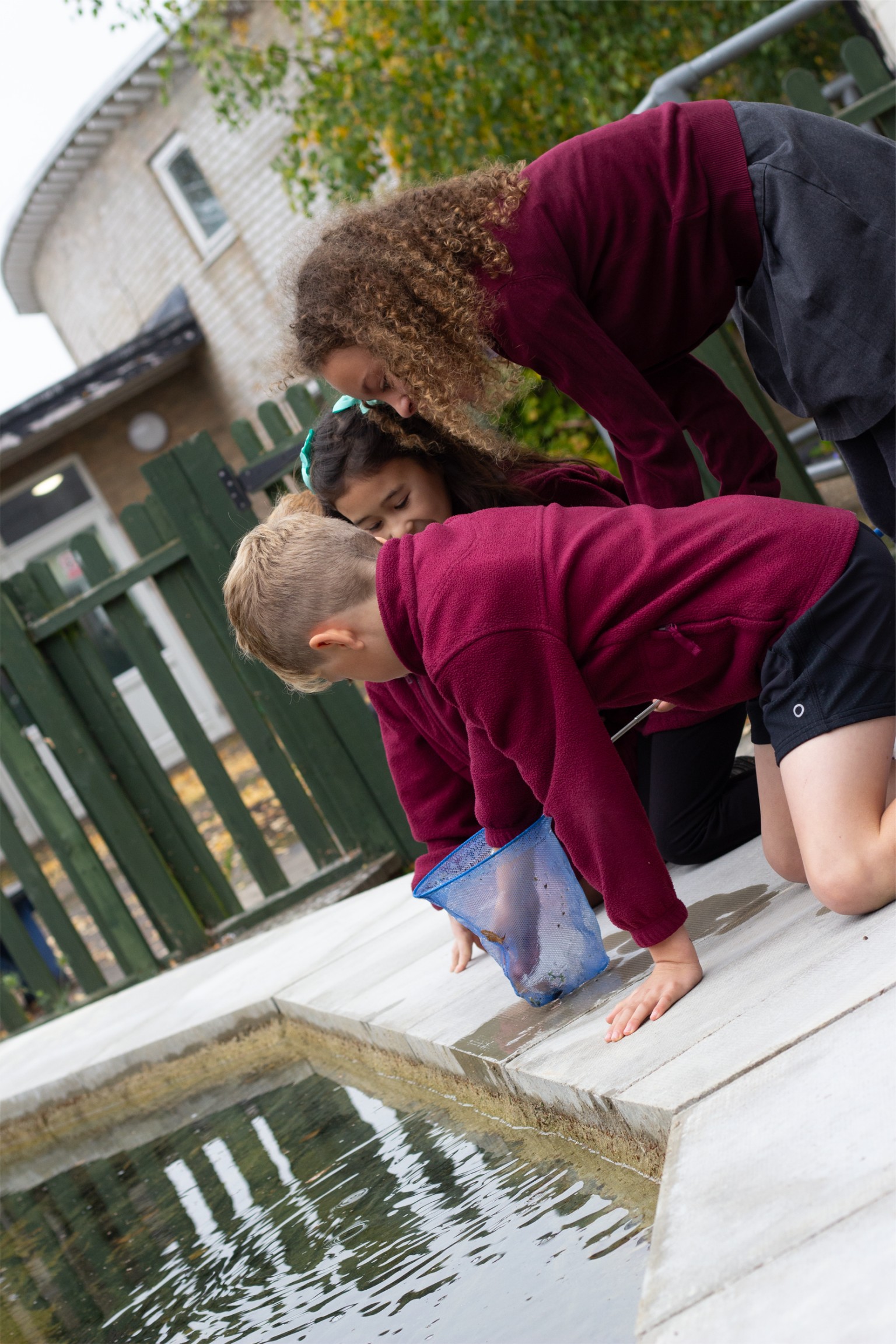
  • Children looking into a pond
  • Children on a playing field
  • Child reading a book
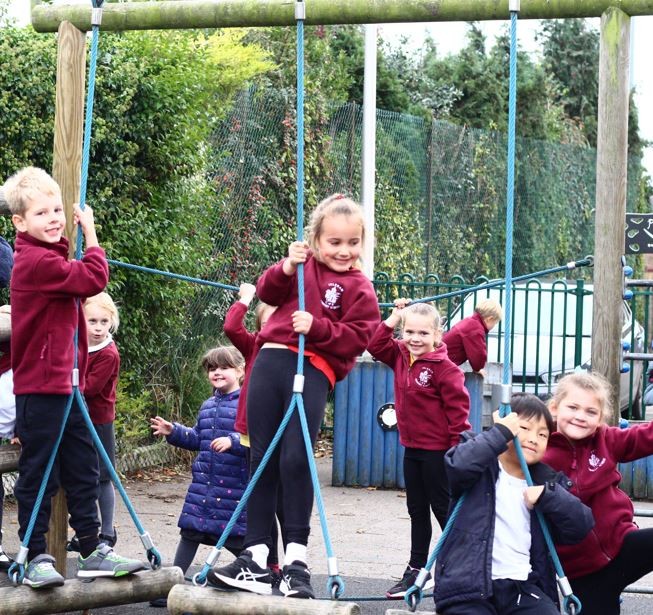
  • Children on a trim trail
Isleham C of E  Primary School Logo
  • Home
  • Our School
    Vision and Values
    Headteacher's Welcome
    The School Day
    Meet the Staff
    Governors
    School Uniform
    School Council
    School Dinners
    Breakfast Club
    After school club 'Home from Home' with JLR Play CIC
    Volunteers
    PTFA
    School 360 Tour
    Staff Vacancies
    Our School
    Vision and Values
    Headteacher's Welcome
    The School Day
    Meet the Staff
    Governors
    School Uniform
    School Council
    School Dinners
    Breakfast Club
    After school club 'Home from Home' with JLR Play CIC
    Volunteers
    PTFA
    School 360 Tour
    Staff Vacancies
  • Class Pages
    Reception Autumn 2025-26
    Year 1 Autumn 2025-26
    Year 2 Autumn 2025-26
    Year 3 Autumn 2025-2026
    Year 4 Autumn 2025-26
    Year 5 Spring 2025-26
    Year 6 Autumn 2025-26
    Class Pages
    Reception Autumn 2025-26
    Year 1 Autumn 2025-26
    Year 2 Autumn 2025-26
    Year 3 Autumn 2025-2026
    Year 4 Autumn 2025-26
    Year 5 Spring 2025-26
    Year 6 Autumn 2025-26
  • Key Information
    Term Dates & Attendance
    Admissions
    SEND
    Financial benchmarking
    Child Protection & Safeguarding
    Policies & Procedures
    Equality objectives
    Ofsted & Inspection
    Performance Data
    PREVENT Duty
    Pupil Premium
    Online Safety
    Sport Premium
    Data Protection
    Data Protection Notices
    Key Information
    Term Dates & Attendance
    Admissions
    SEND
    Financial benchmarking
    Child Protection & Safeguarding
    Policies & Procedures
    Equality objectives
    Ofsted & Inspection
    Performance Data
    PREVENT Duty
    Pupil Premium
    Online Safety
    Sport Premium
    Data Protection
    Data Protection Notices
  • Our Learning
    Curriculum Overviews by Year Group
    How We Teach Maths
    How We Teach Reading
    How We Teach Writing
    How We Teach Phonics
    Early Years Foundation Stage (EYFS)
    Religious Education and Collective Worship
    Promotion of British Values
    How We Teach Foundation Subjects
    Science
    History
    Geography
    Art
    Design and Technology
    Music
    French
    Our Learning
    Curriculum Overviews by Year Group
    How We Teach Maths
    How We Teach Reading
    How We Teach Writing
    How We Teach Phonics
    Early Years Foundation Stage (EYFS)
    Religious Education and Collective Worship
    Promotion of British Values
    How We Teach Foundation Subjects
    Science
    History
    Geography
    Art
    Design and Technology
    Music
    French
  • Contact
  • Calendar
  • Newsletter

This website uses Google Translate

You cannot use this feature without first accepting 3rd Party Cookies.
Allow 3rd Party Cookies

This website uses Google Translate

You cannot use this feature without first accepting 3rd Party Cookies.
Allow 3rd Party Cookies

Year 5 Spring 2025-26

Class Pages

Reception Autumn 2025-26
Year 1 Autumn 2025-26
Year 2 Autumn 2025-26
Year 3 Autumn 2025-2026
Year 4 Autumn 2025-26
Year 5 Spring 2025-26
Year 6 Autumn 2025-26
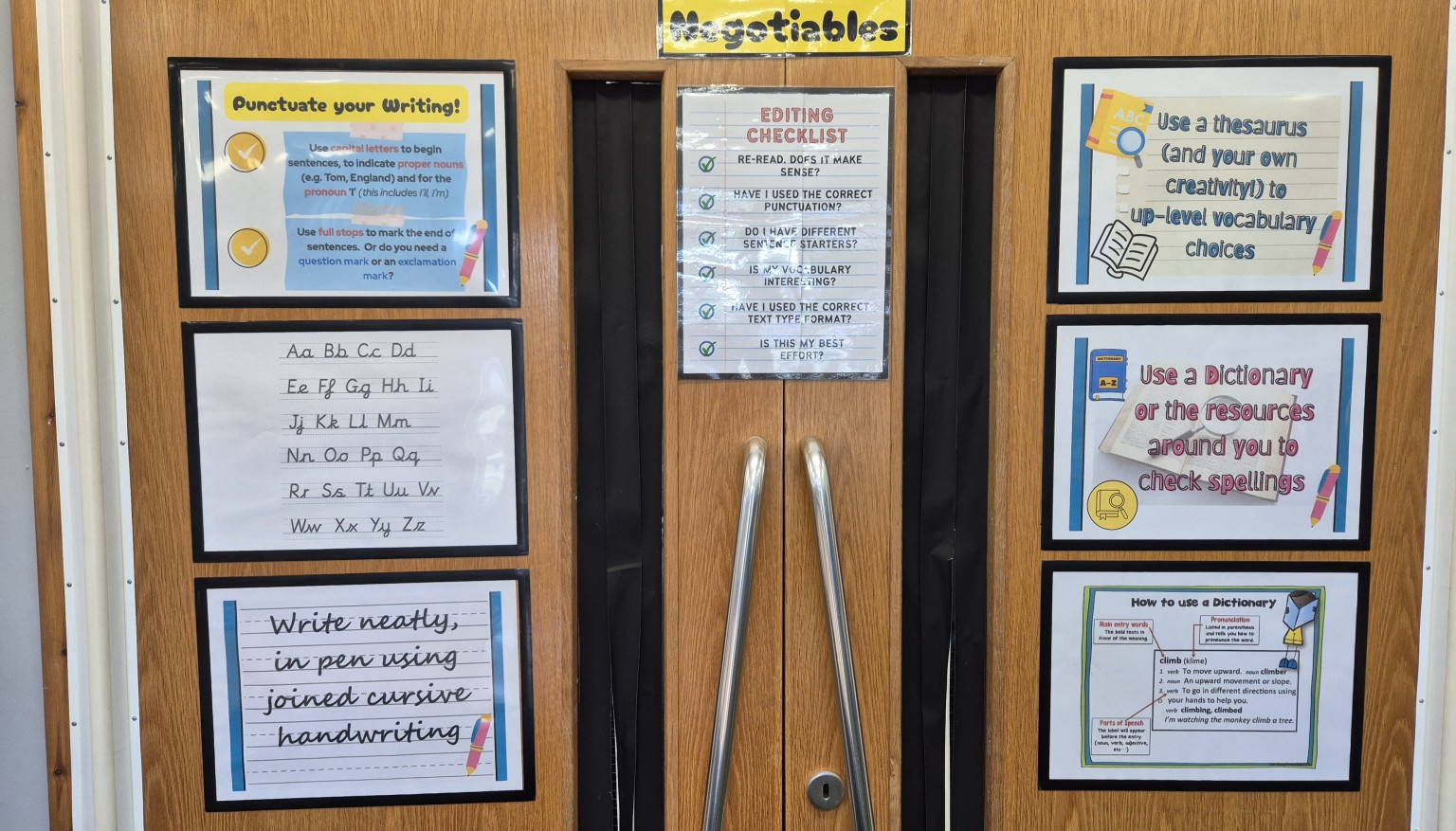
  • Non-negotiables when we write
    Welcome to Year 5's class page

Spring Term September 2026


I hope everyone enjoyed Christmas break and is looking forward to the start of the Spring term in Year 5 with Mr Walker and Mrs Goldsack.  We want to make sure that you are fully informed so please come and ask if you have any questions or queries or jot something down in the Reading Record. Remember your child needs to bring it into school every day so that messages can be acted upon and reading checked.


  • The Long Term Curriculum Overview for Year 5 can be found below.
  • If you would be interested in offering assistance with other aspects of the curriculum, please contact the school office for further information.
  • Welcome to Year 5
    Welcome to Year 5
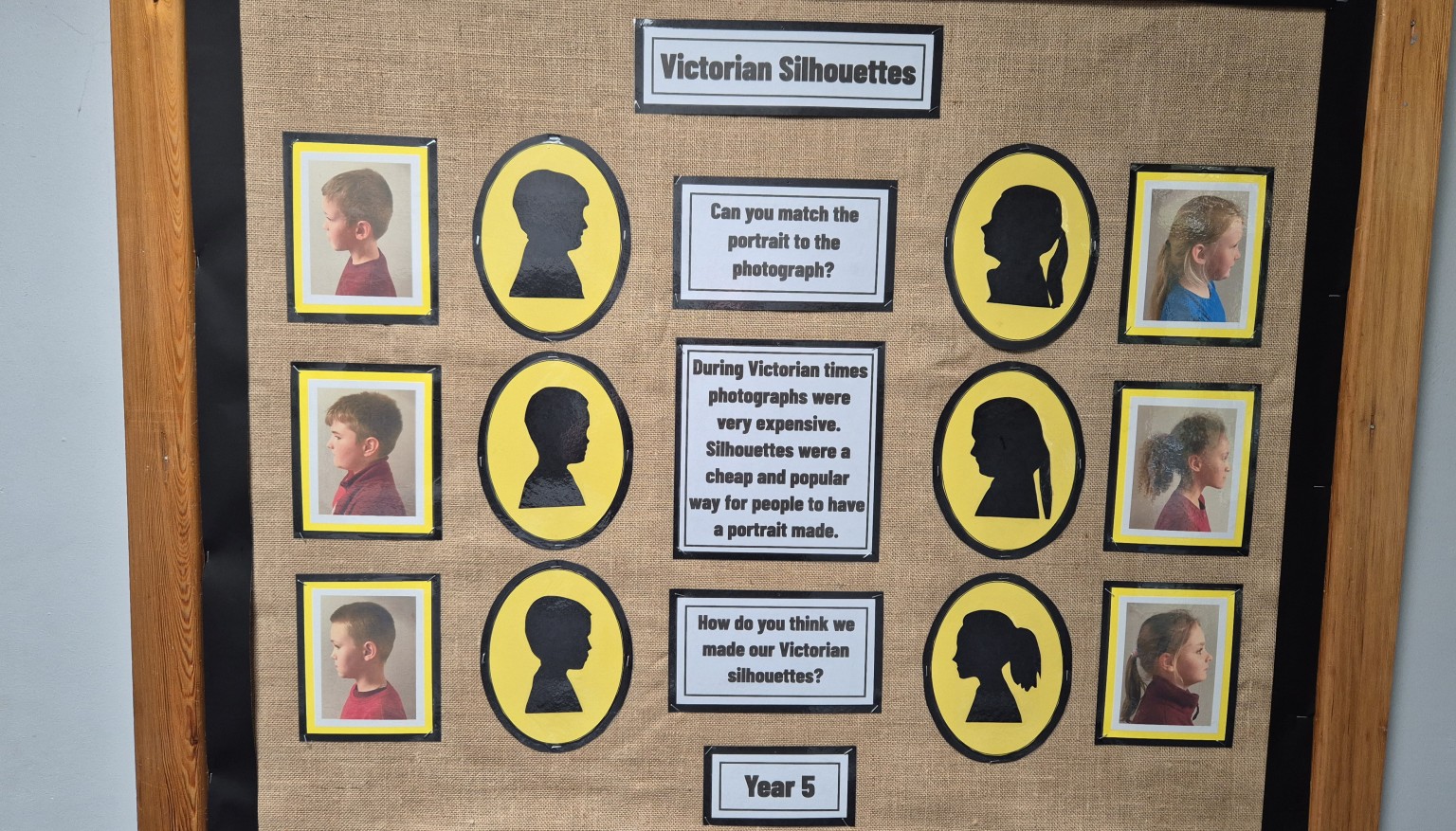
  • On Moving Up day Year 5 created Victorian Silhouette portraits
     
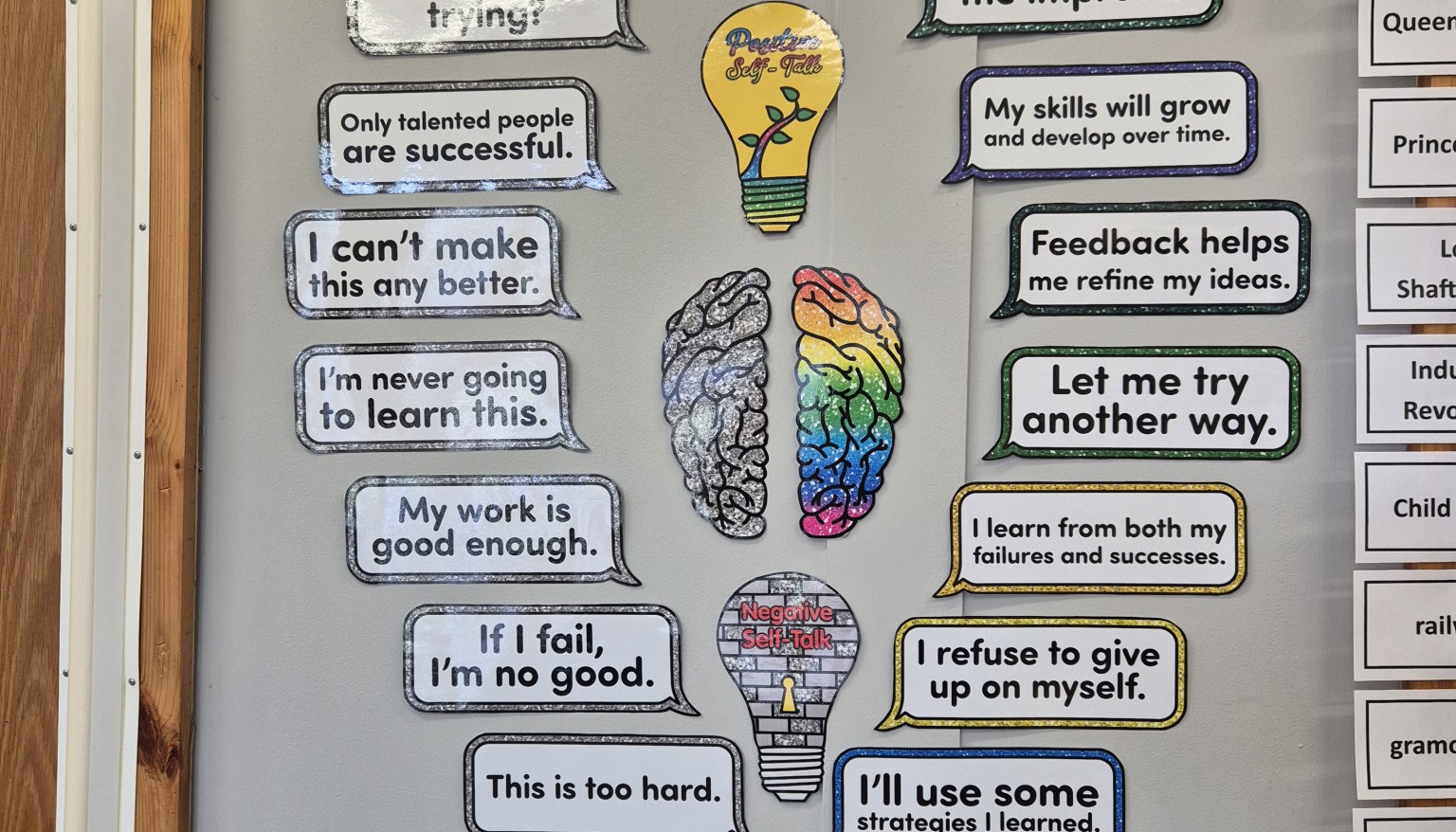
  • Fixed and Growth mindset display. Which are you?
    Fixed and Growth mindset display. Which are you?
How to help your child in Year 5:
 
  • Support your child with daily reading and encourage them by ticking that you have heard/seen them read in their home school book. Don’t forget to add a comment yourself.
  • Home School books to come into school every day, please.
  • Spellings can be practised using the Spelling Shed website without the app.
  • It is also very helpful if you can practice all the times tables up to x12. Don't forget your division facts too. Your child will bring home a password for Times table Rockstars.
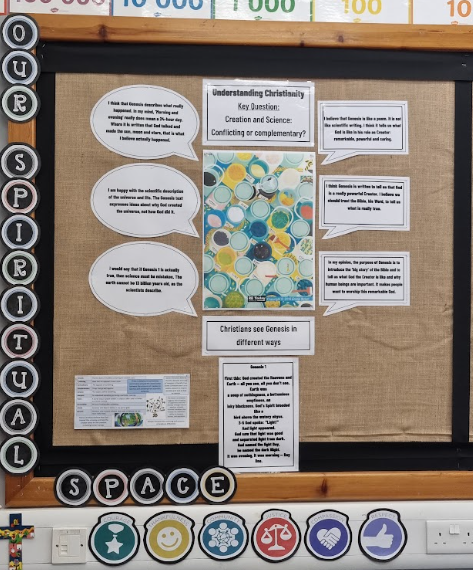
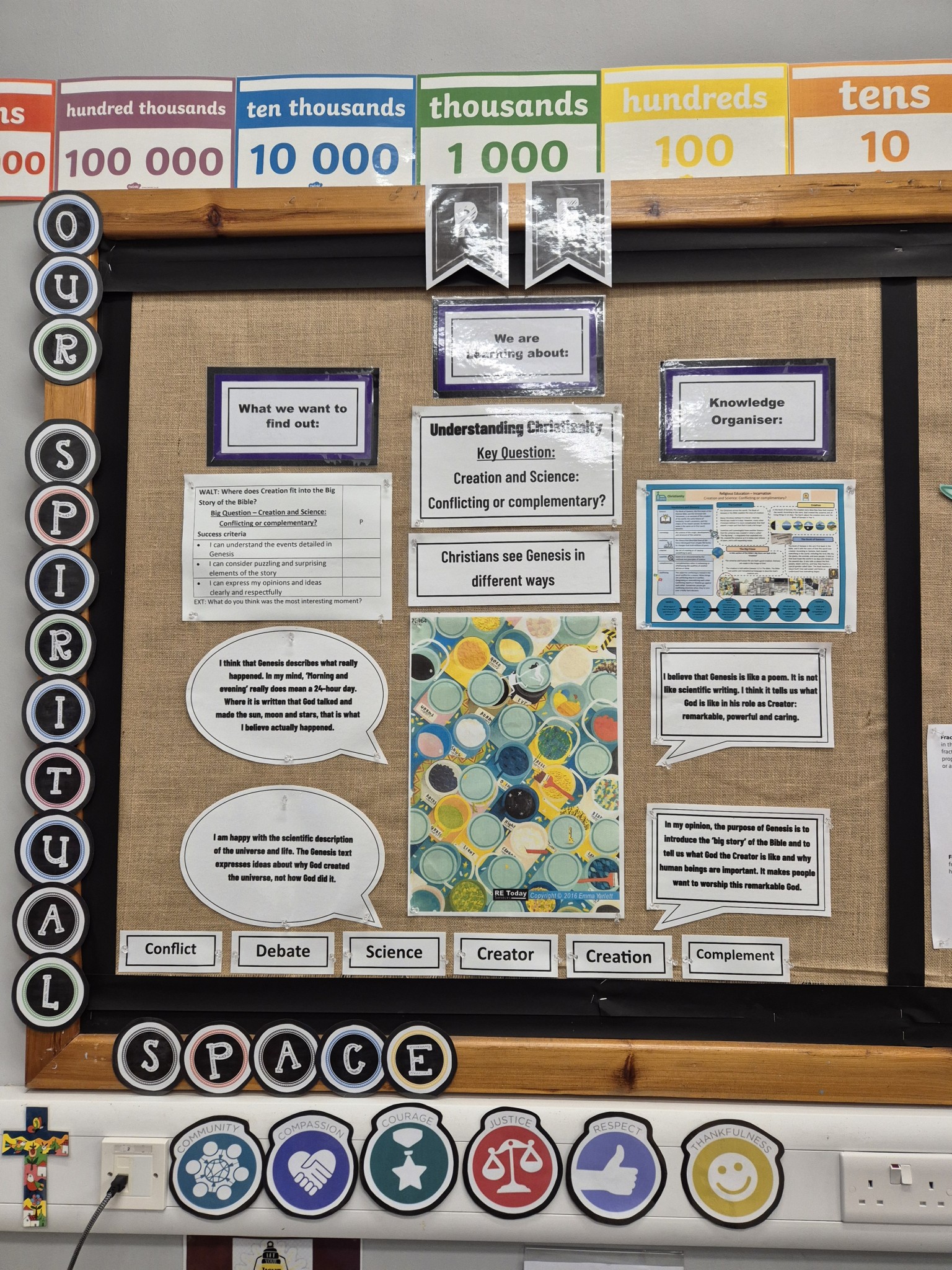
Our Year 5 Spiritual Space
 
Spiritual spaces enable children and young people, of all faiths and none, to explore life’s questions, spirituality, and faith in a safe, creative, and interactive way. In Year 5 we have a range of books ranging from bible stories, parables and collections of prayers for the children to explore. 
  • Year 5's Spiritual Space
    Year 5's Spiritual Space
  •  
Reading:
 
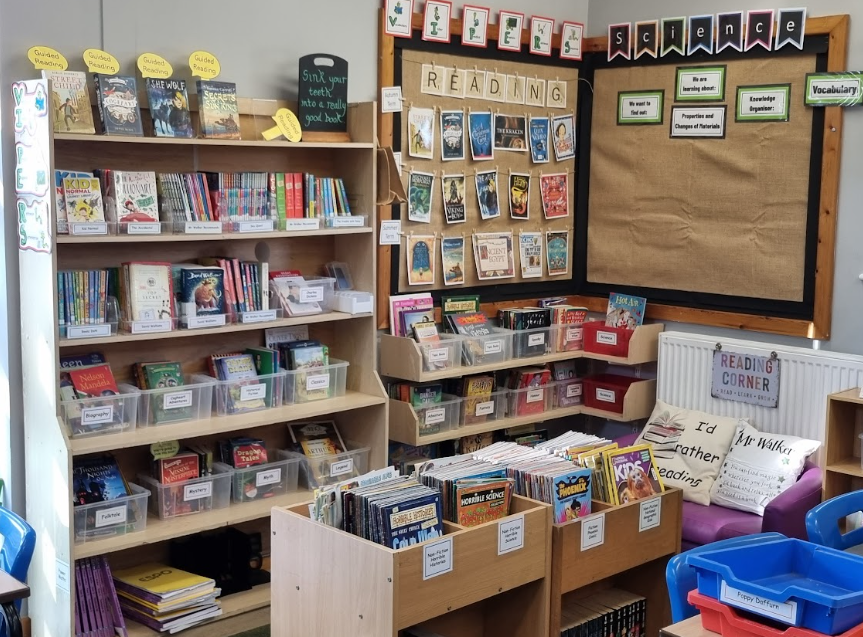
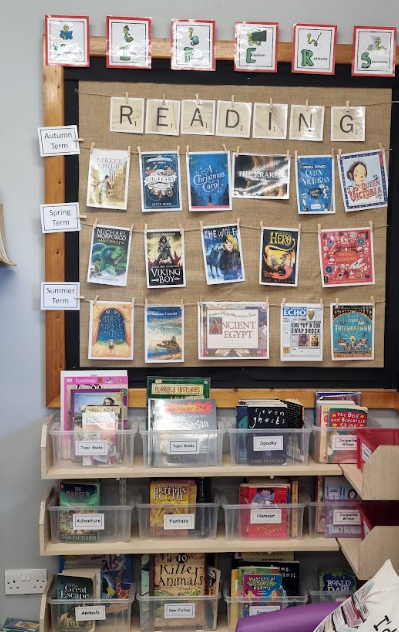
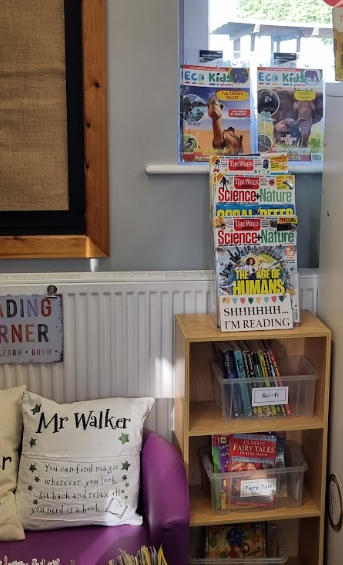
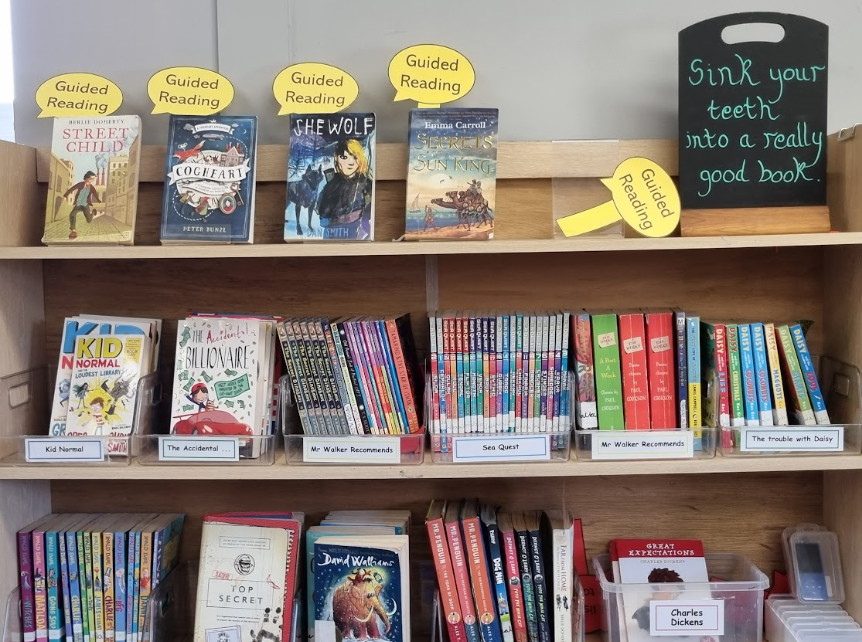
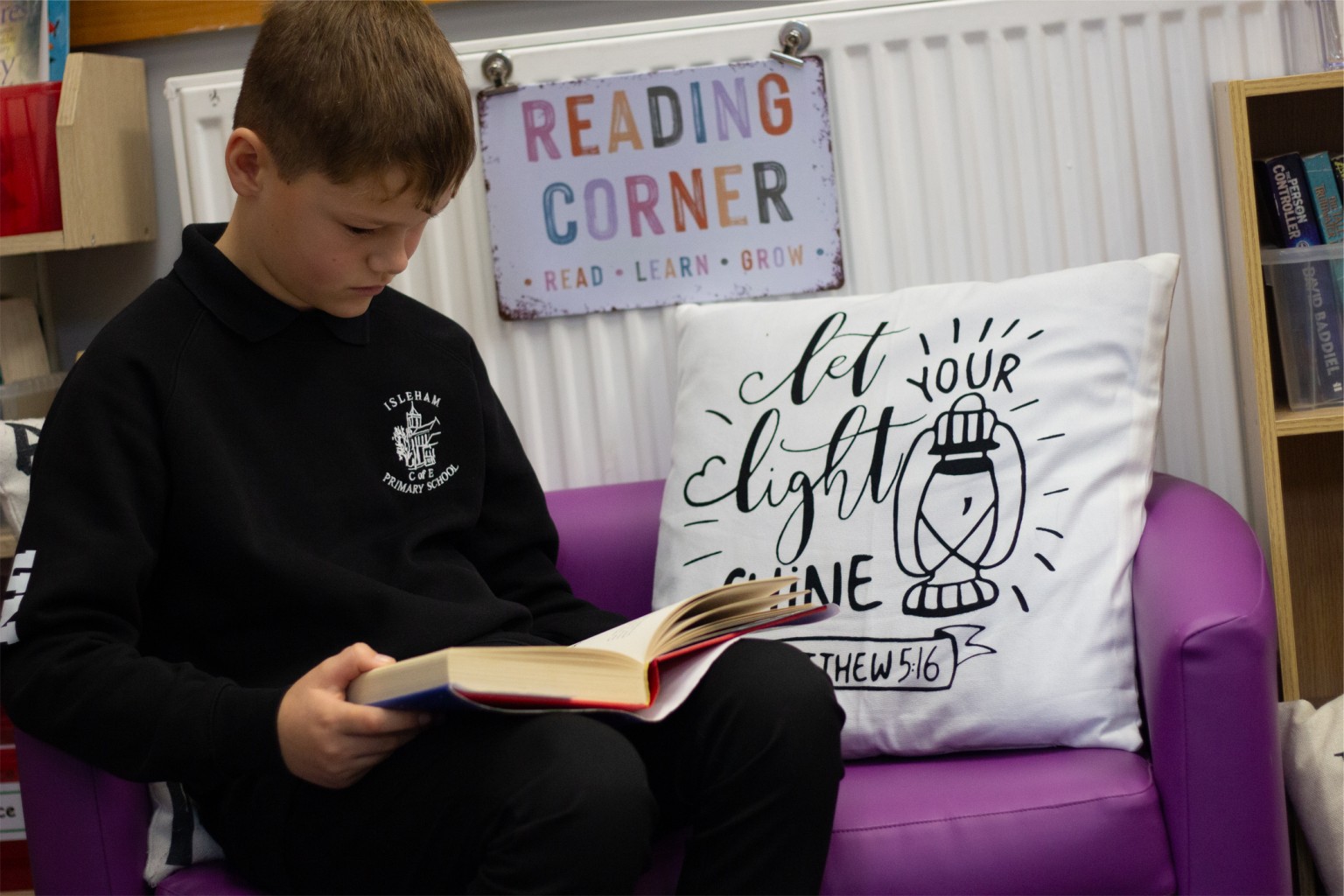
Reading is really important in Year 5. We have lots of different things to read. We have 100s of Beano comics and First News Newspapers. We also have 'Horrible Histories' and 'Horrible Science' magazines. There are also National Geographic Kids issues and 100s of exciting 'Phoenix' stories to jump into. Year 5 also has audio books to listen to on our class mp3 players. Children also have the opportunity to take how a 'Mystery Book'. This is a book that they take home - sight unseen - to read the first page. If they are hooked by the introduction then they keep the book until they have finished it. They can return the book if the first page doesn't spark their interest. This allows the class to try out new authors they might otherwise miss out on.
  • Year 5's reading corner. What will you read today?
    Year 5's reading corner. What will you read today?
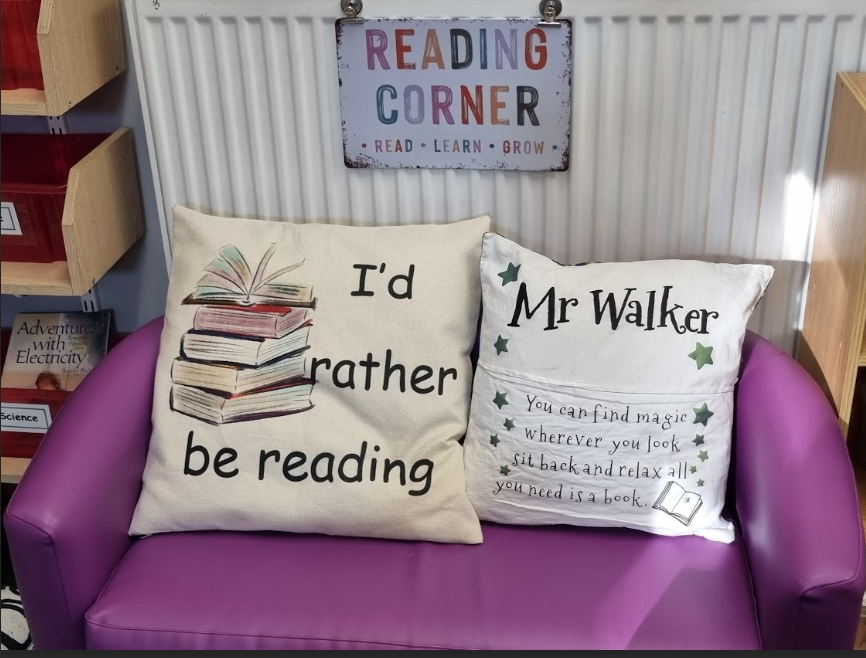
  • Sit and relax while you read
    Sit and relax while you read
  •  
  •  
  •  
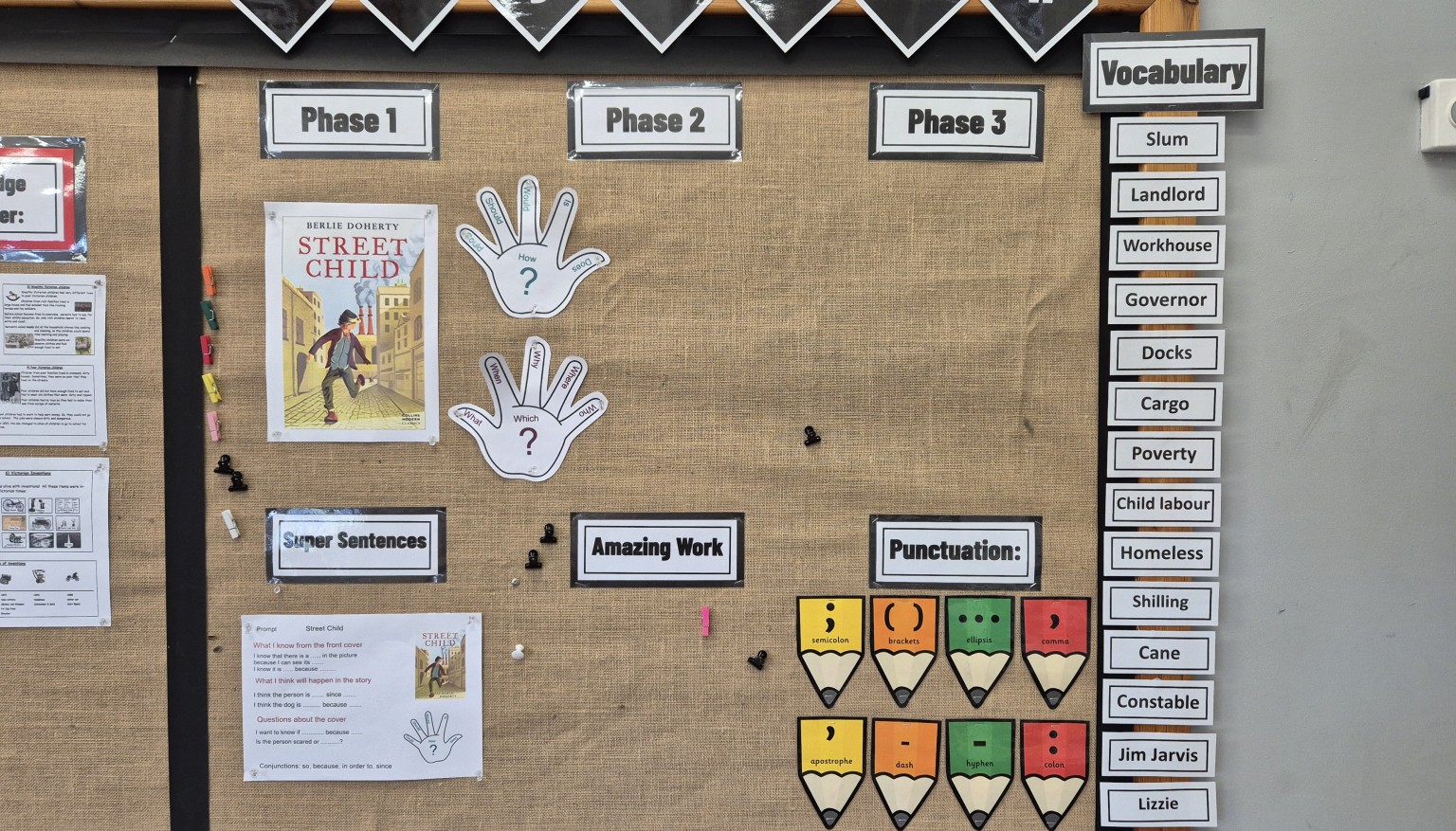
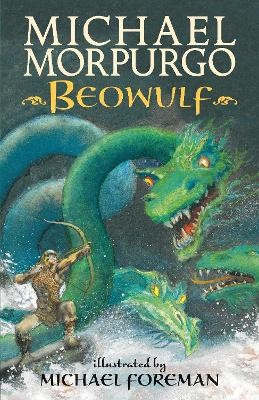
English: Beowulf by Michael Morpurgo
 
The focus for the first half of the term will be our class story ‘Beowulf ‘by Michael Morpurgo. In fifteenth-century Denmark, a murderous monster stalks the night, and only the great prince of the Geats has the strength and courage to defeat him. Beowul'f terrifying quest to destroy Grendel, the foul fiend, a hideous sea-hag and a monstrous fire-fragon is the oldest surviving epic in British literature.

Over the first half term we will be writing character descriptions and settings using Beowulf as a model. Later on we will be writing diary our own Beowulf adventure with our own devilish creature to fight. Our stories will also include our own Saxon style riddles (Kennings poems).

Listen to the first chapter below:
  • Beowulf
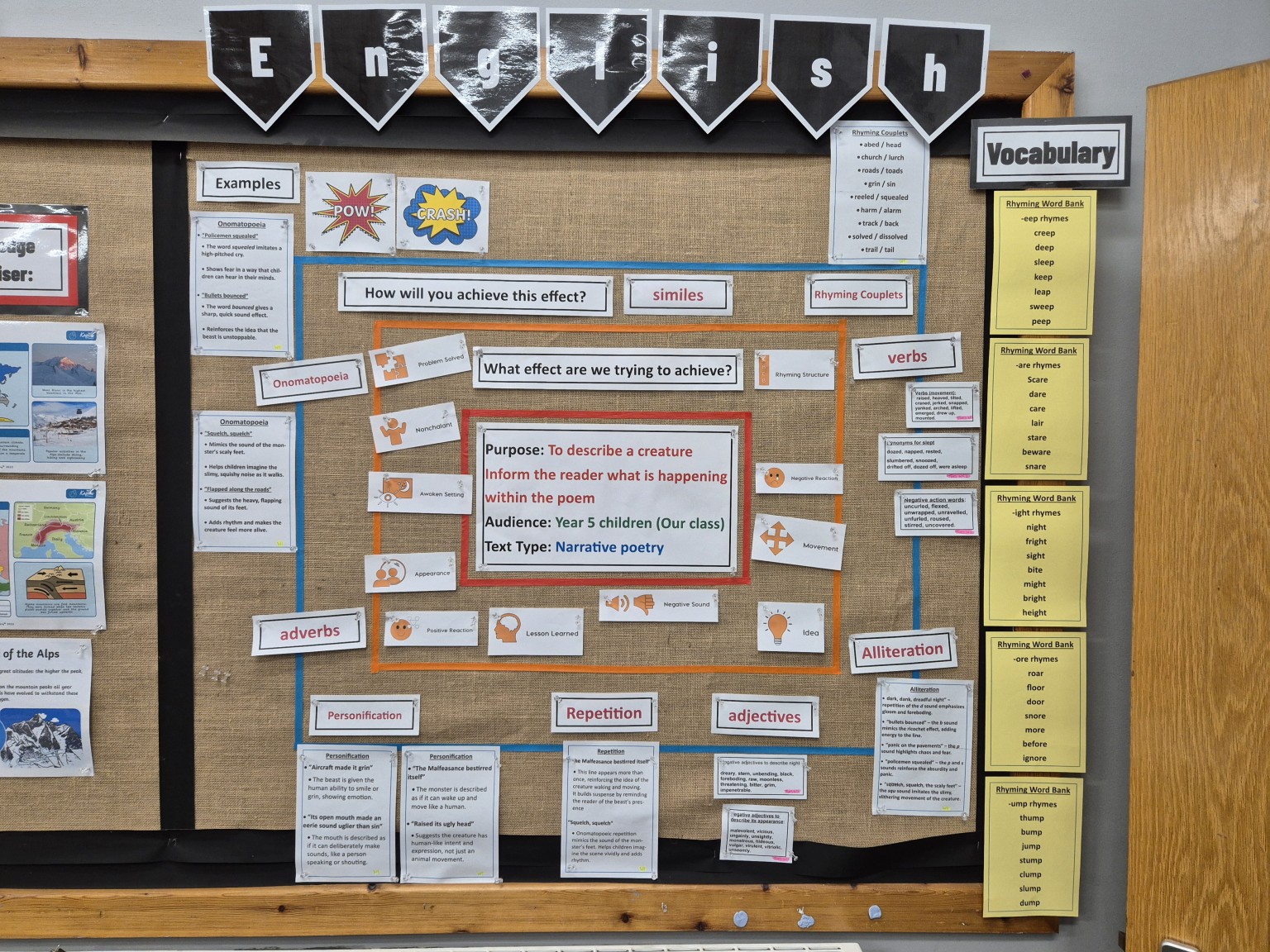
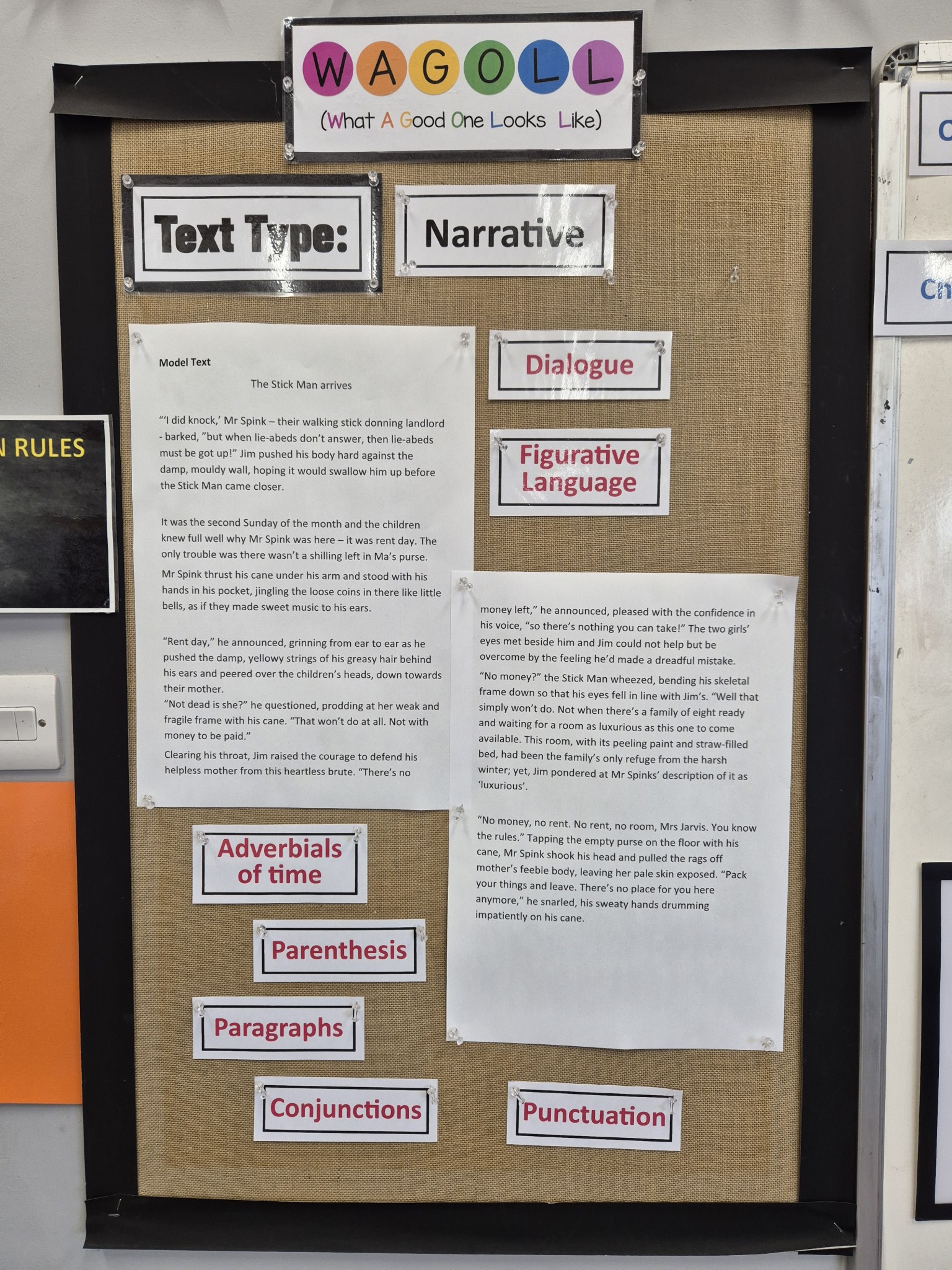
  • English Working Wall - WAGOLL (What a Good Once Looks Like)
    English Working Wall - WAGOLL (What a Good Once Looks Like)
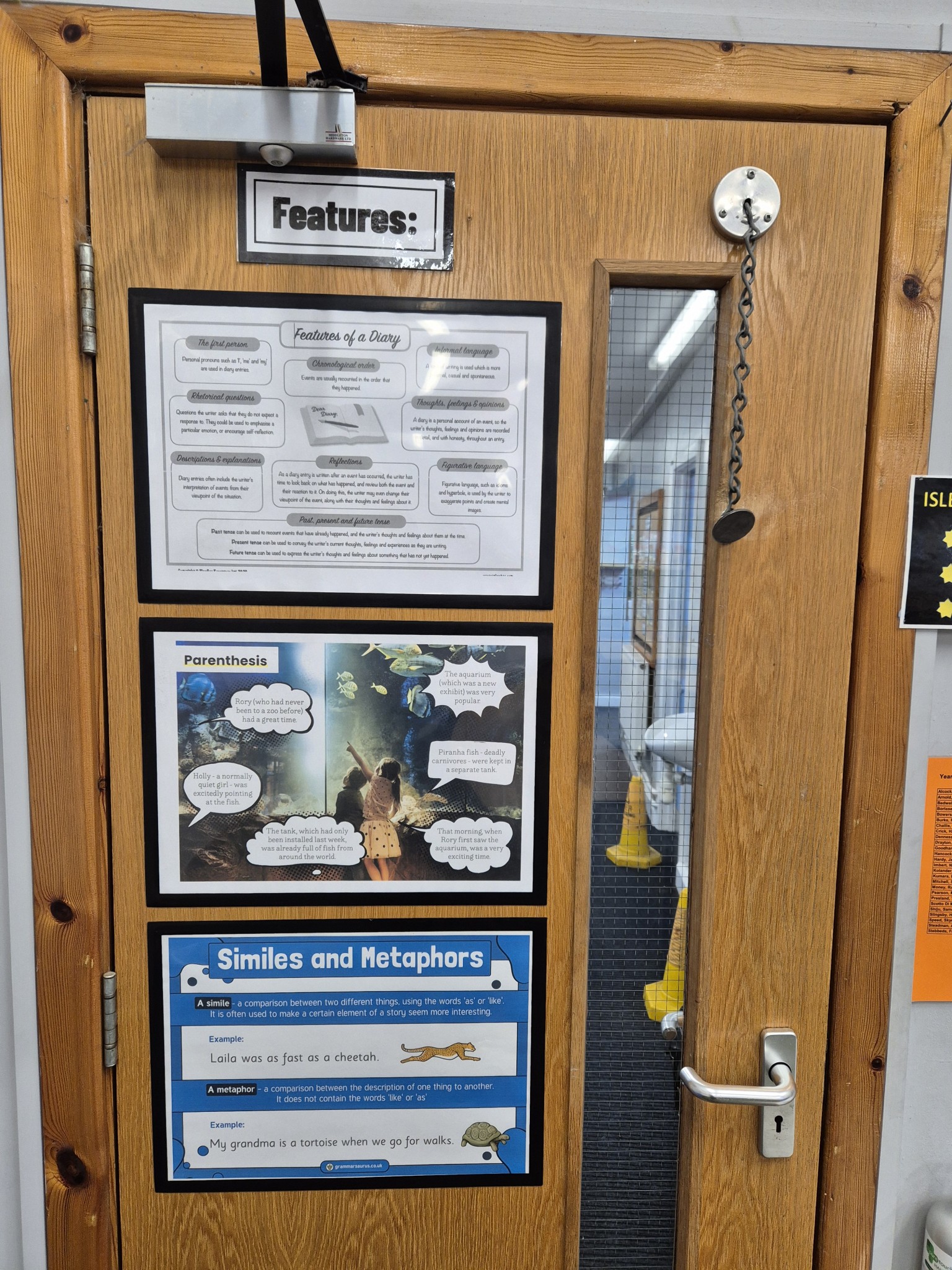
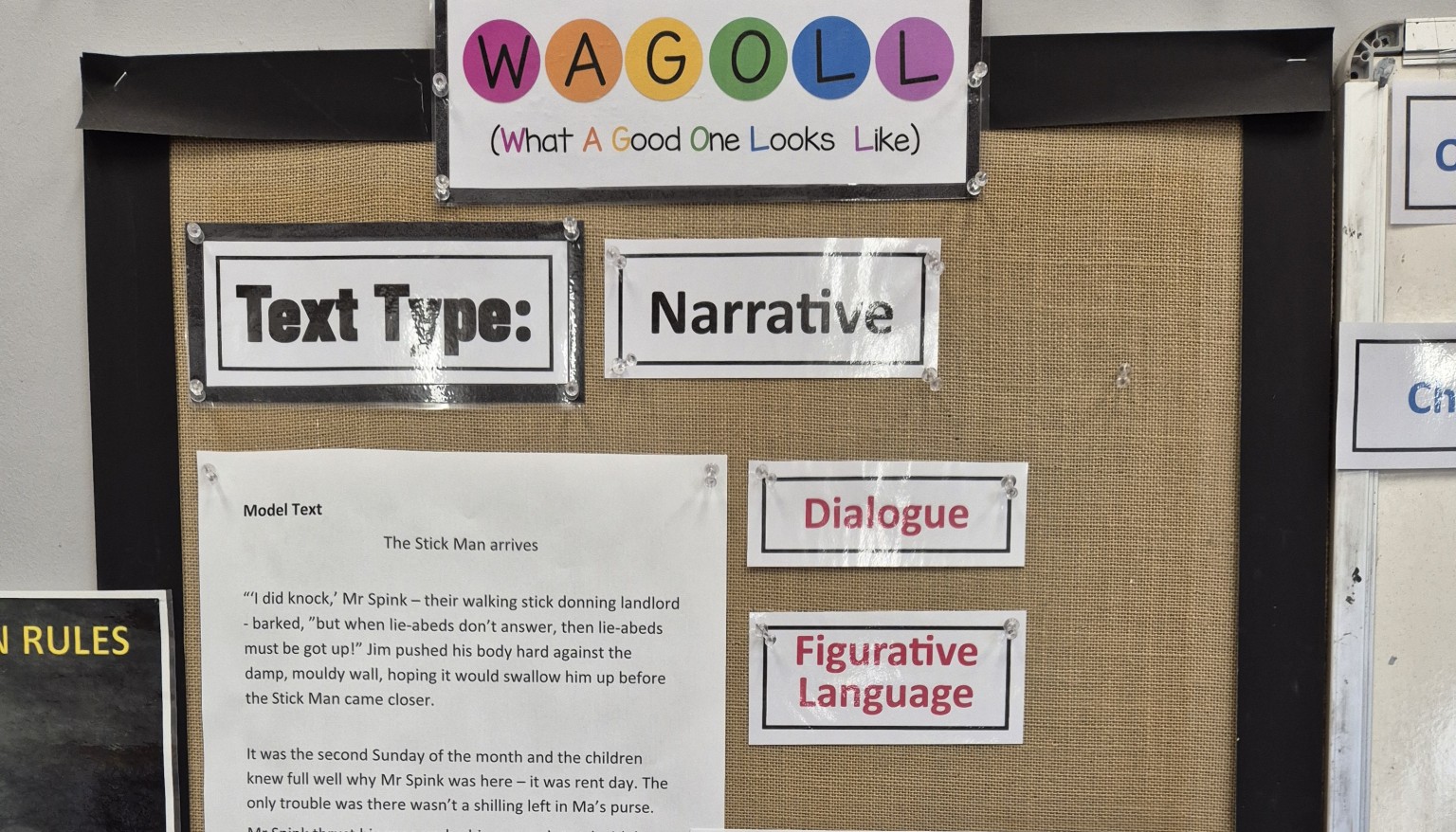
  • English Working Wall - WAGOL features
    English Working Wall - WAGOLL (What a Good Once Looks Like)
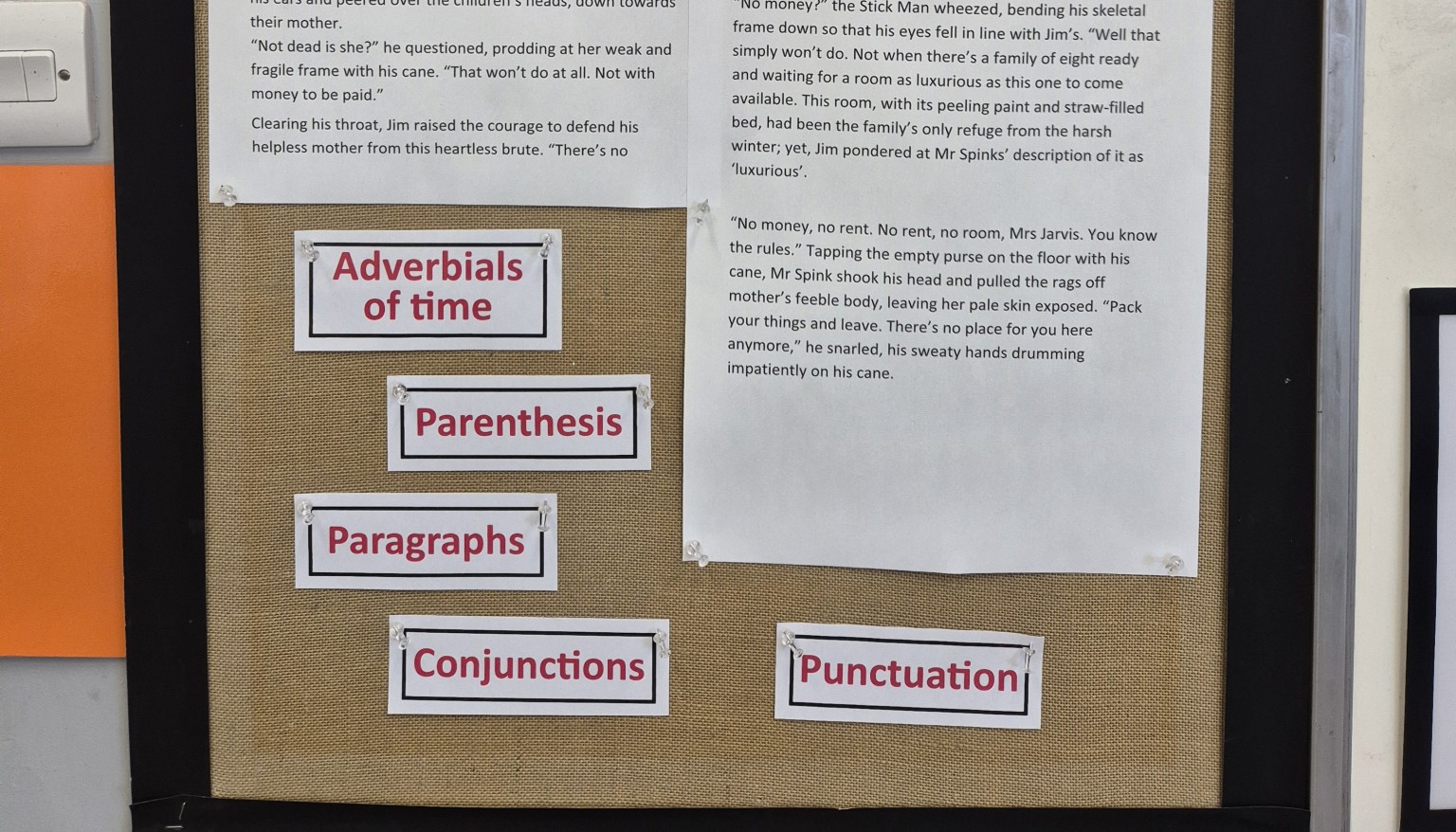
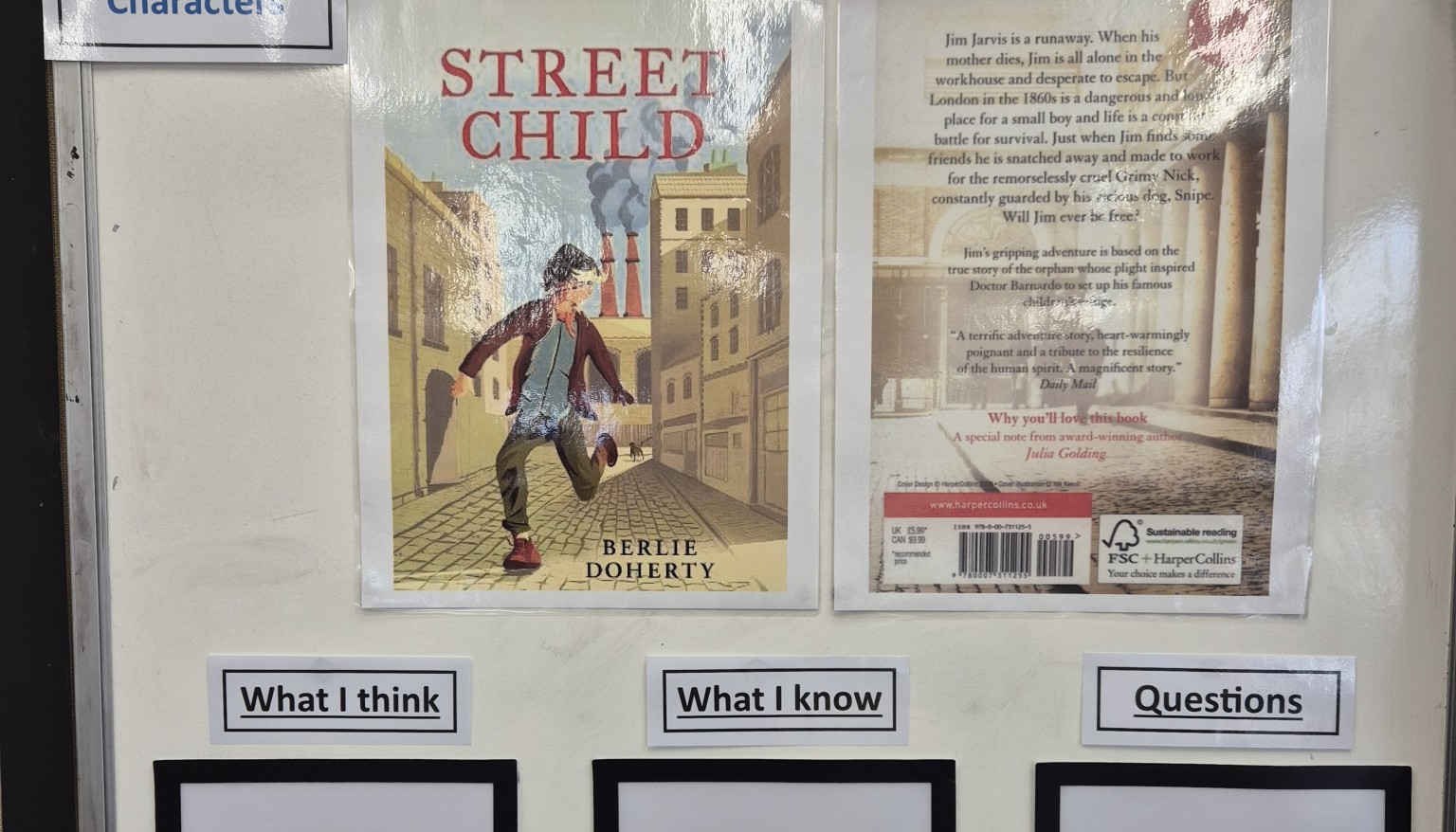
  • English Working Wall
    English Working Wall
  • English Working Wall Phases
    English Working Wall Phases
  • Non-negotiables when we write
    Non-negotiables when we write
Guided Reading Spring Term
 
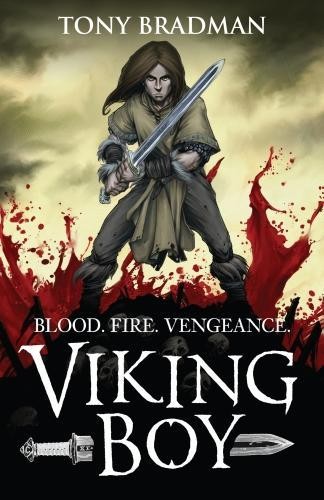
During the first half term Year 5 will be using the VIPERS approach to answer questions about 'Viking Boy' by Tony Bradmen. This story is about Gunnar. 


VIPERS is an acronym to aid the recall of the 6 reading domains as part of the UK’s reading curriculum.  They are the key areas which we feel children need to know and understand in order to improve their comprehension of texts.


VIPERS stands for

Vocabulary

Inference

Prediction

Explanation

Retrieval

Sequence or Summarise

The 6 domains focus on the comprehension aspect of reading.
White Rose Maths Year 5 Spring Term:
 
In the Spring term, Year 5 focuses Multiplication and Division, Fractions, Decimals and percentages, Perimeter and area and Statistics
https://assets.whiteroseeducation.com/new-schemes/Y5%20Spring%20Block%201%20SOL%20Multiplication%20and%20division%20B.pdf


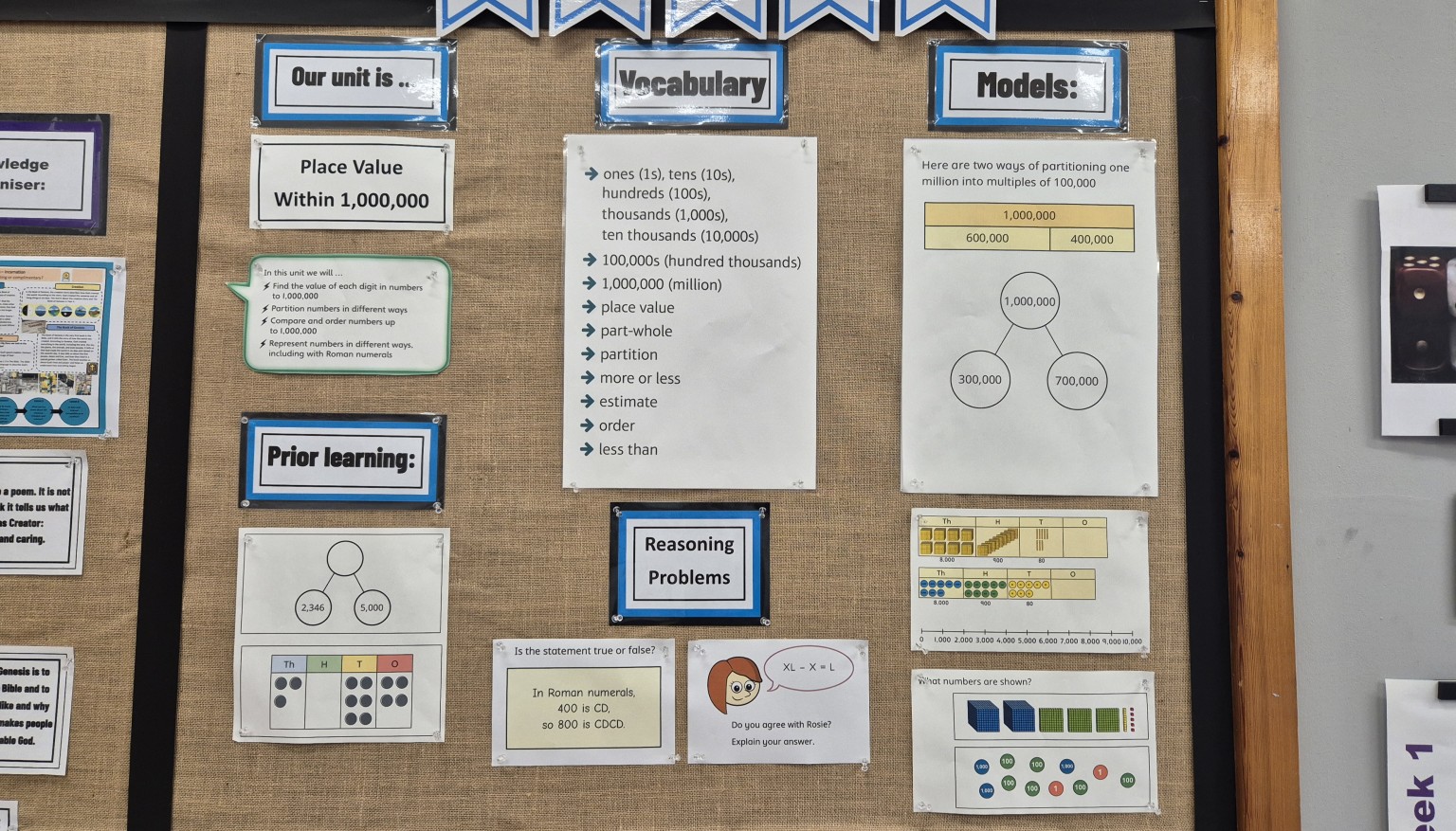
  • Maths Working Wall
  • Maths Eyes activity
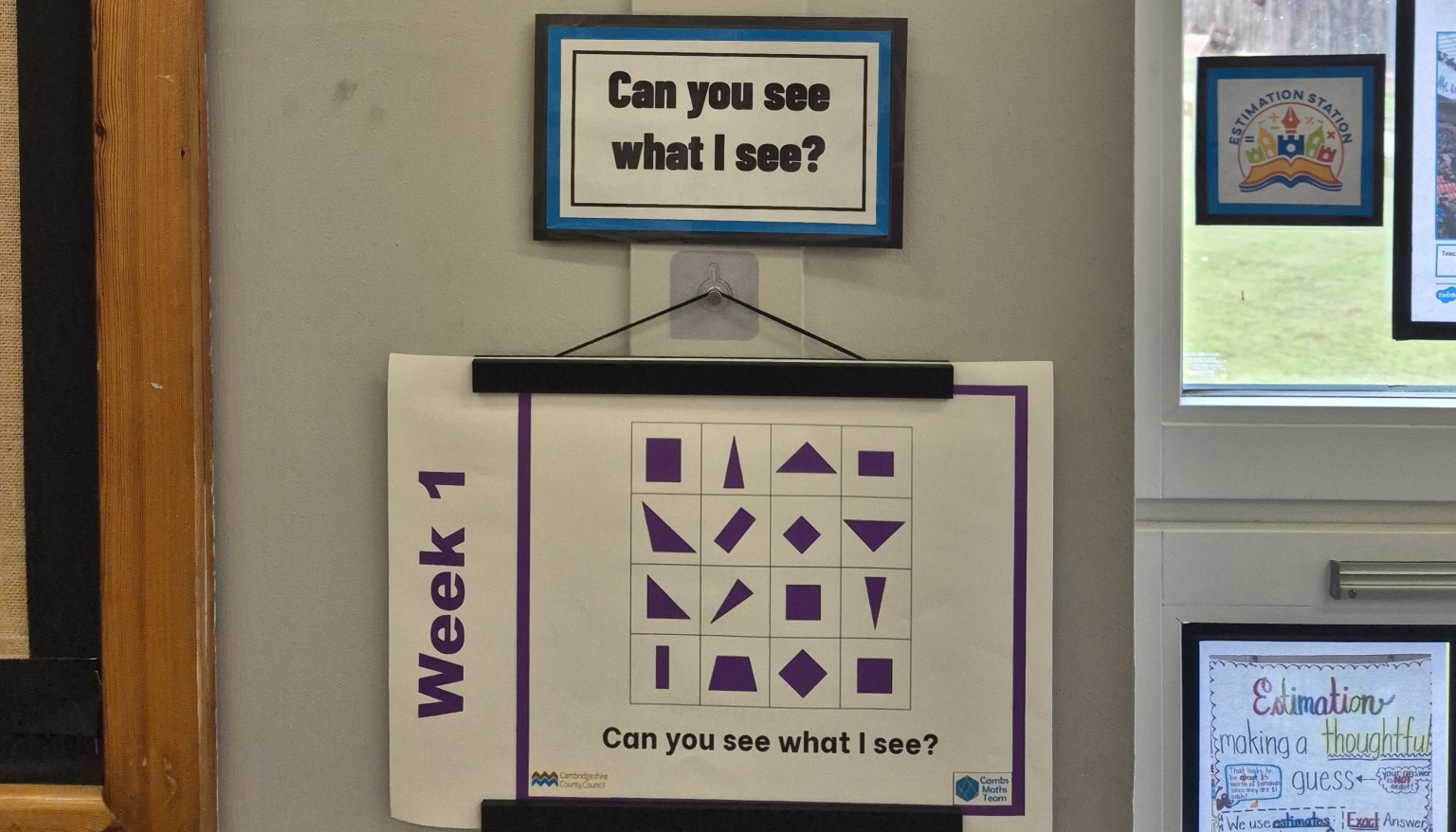
  • Can you see what I see activity
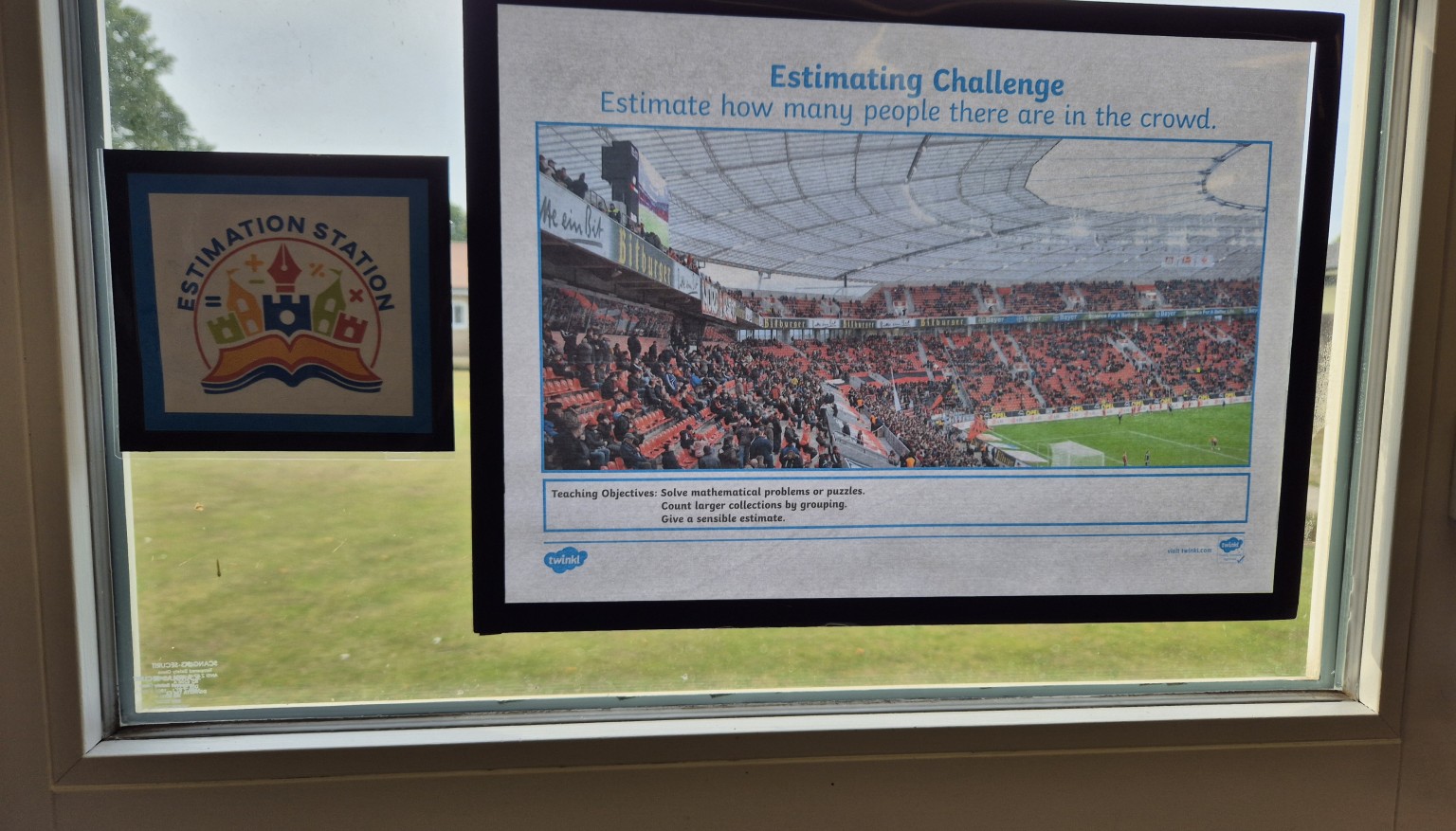
  • Estimation Station activity

Science Spring 1 Forces and space: Unbalanced forces

In Science this term we will be learning to:
  • Describe gravity and its effects
  • Decribe the relationship between mass and gravity
  • Describe air resistance and its effects
  • Describe water resistance and its effects
  • Describe the relationship between surface area and air and water resistance
  • Explain how to make an object aerodynamic or streamlined
  • Describe the effects of levers, pulleys and simple machines on movement
  • Analayse predictions, data and anomalies to write a conclusion
  • Plan a fair test to investigate air resistance
  • Science Display
Religious Education at Isleham Primary School
 

Isleham is a proud Church of England school where Religious Education is a subject of the utmost importance to us. We teach from a Christian perspective based on the teachings of Christ and the theology of the Church of England. We believe that RE helps children develop empathy and an understanding of their own beliefs and the faith of others. We also teach our children about other faiths and religions too.  We expect that all children know about the significant events in other religions, understand how these promote faith for their followers and that these events or practices deserve our respect. Each year the children will work through the Understanding Christianity scheme and this is supplemented by the local Cambridgeshire Agreed Syllabus

In EYFS, we introduce children to the similarities and differences between different religions and cultural communities through questions such as which people are special and why, and what is special about our world?

In KS1, we cover a wide range of themes such as sacred books, sacred places and the celebration of special and sacred times with specific, focused units on Islam, Judaism and Christianity.

In KS2, we cover a wide range of themes, building on KS1 content. We look at why festivals are important and why people pray, to what do religions say to us when life gets hard? Focused units are based around Islam, Humanism, Christianity and Buddhism.

Understanding Christianity
 

The key purpose of this Programme is to help all teachers support pupils in developing their own thinking and their understanding of Christianity, as a contribution to their understanding of the world and their own experience within it.

We aim to see pupils leave school with a coherent understanding of Christian belief and practice. Pupils from 5-11 explore the significant theological concepts within Christianity as part of developing their wider religious, theological and cultural literacy.
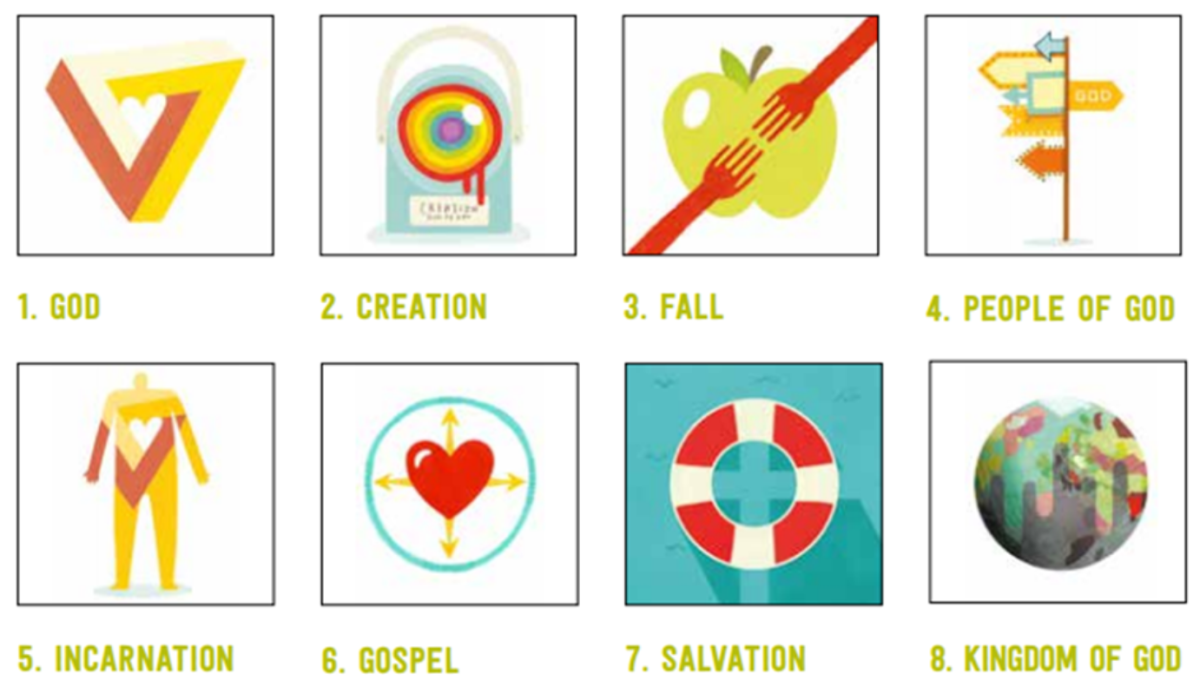
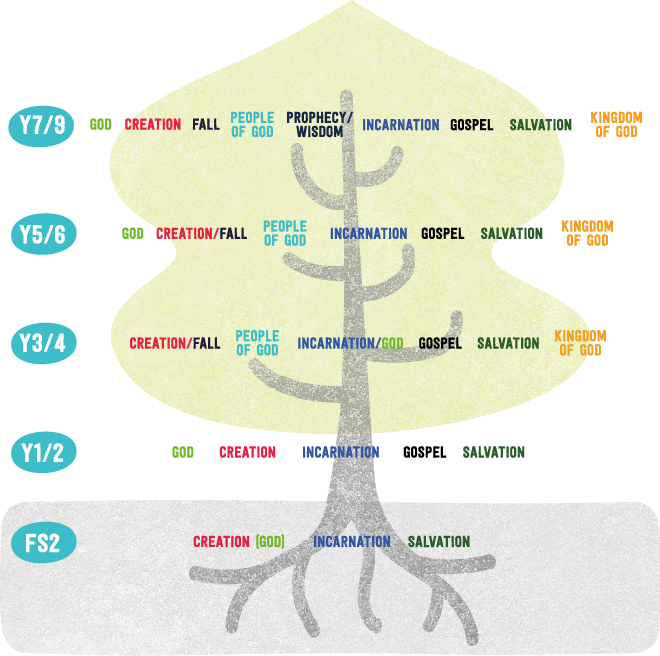
 
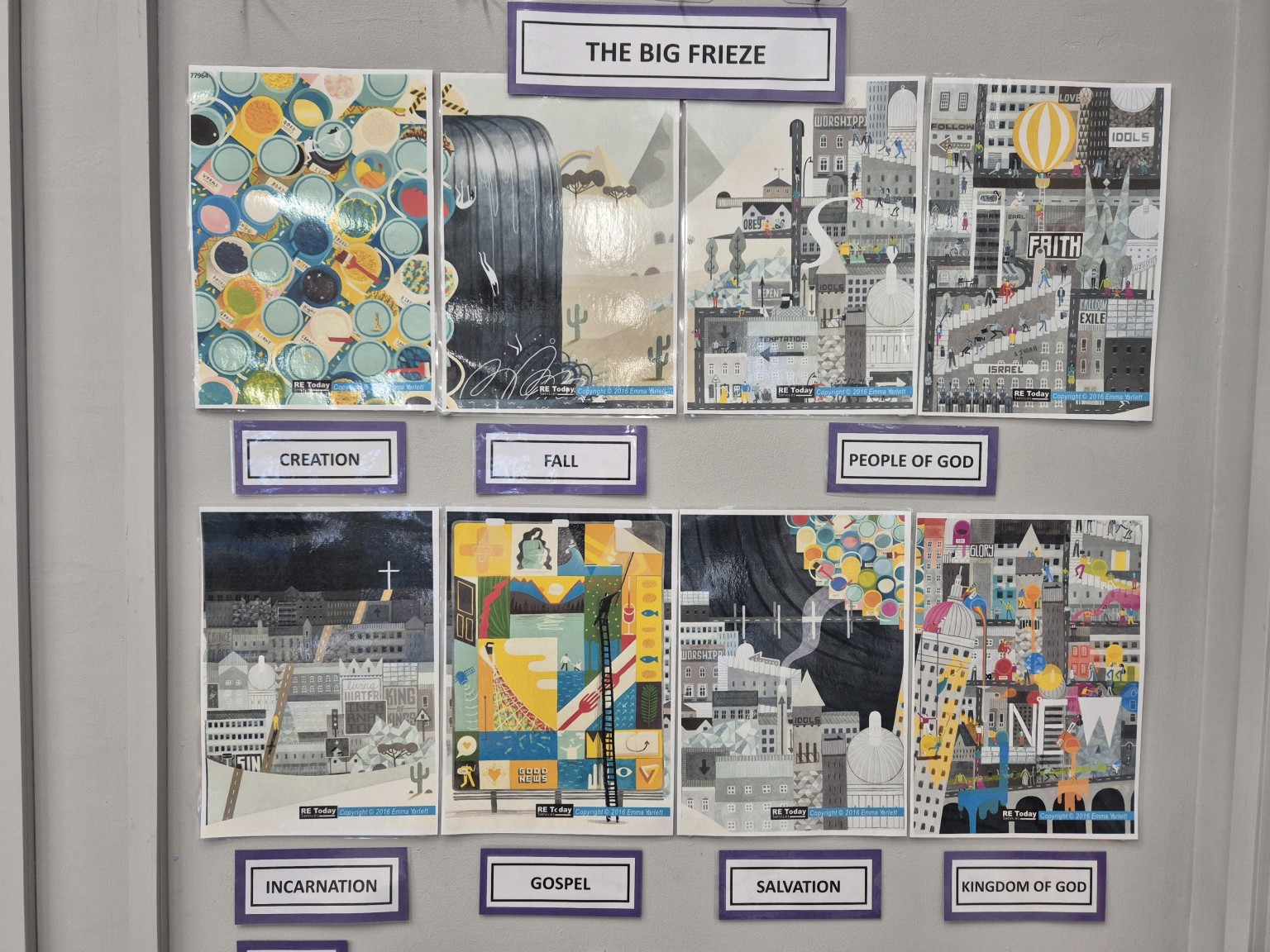
Understanding Christianity has identified eight core concepts at the heart of mainstream Christian belief.  It sets out some knowledge ‘building blocks’, to clarify what pupils should know and understand about these concepts at each school phase. It provides a teaching and learning approach to unpack these concepts and their impact in the lives of Christians in the UK and the world today, making connections with the world of the pupils and their wider understanding.   
 
God: Fundamental to Christian belief is the existence of God, Father, Son and Holy Spirit Creation Christians believe the universe and human life are God’s good creation. Humans are made in the image of God.
 
Fall: Humans have a tendency to go their own way rather than keep their place in relation to their creator. This attitude is called sin, and Genesis 3 gives an account of this rebellion, popularly called ‘the Fall’. This describes a catastrophic separation between God and humans, between humans and each other, and between humans and the environment. This idea that humans are ‘fallen’ and in need of rescue (or salvation) sets out the root cause of many problems for humanity.
 
People of God: The Old Testament tells the story of God’s plan to reverse the impact of the Fall, to save humanity. It involves choosing a people who will model a restored relationship with God, who will attract all other people back to God. The Bible narrative includes the ups and downs of this plan, including the message of the prophets who tried to persuade people to stick with God. The plan appears to end in failure with the people of God exiled, and then returning, awaiting a ‘messiah’ – a rescuer.
 
Incarnation: The New Testament presents Jesus as the answer: the Messiah and Saviour, who will repair the effects of sin and the Fall and offer a way for humans to be at one with God again. Incarnation means that Jesus is God in the flesh, and that, in Jesus, God came to live amongt humans.
 
Gospel: Christians believe Jesus’ incarnation is ‘good news’ for all people. (‘Gospel’ means ‘good news’.) His life, teaching and ministry embody what it is like to be one of the People of God, what it means to live in relationship with God. Jesus’ example and teaching emphasise loving one’s neighbour – particularly the weak and vulnerable – as part of loving God.
 
Salvation: Jesus’ death and resurrection effect the rescue or salvation of humans. He opens the way back to God. Christians believe that through Jesus, sin is dealt with, forgiveness offered, and the relationship between God and humans is restored.
 
Kingdom of God: This does not mean that no one sins any more! The Bible talks in terms of God’s ‘Kingdom’ having begun in human hearts through Jesus. The idea of the ‘Kingdom of God’ reflects God’s ideal for human life in the world – a vision of life lived in the way God intended for human beings. Christians look forward to a time when God’s rule is fulfilled at some future point, in a restored, transformed heaven and earth. Meanwhile, they seek to live this attractive life as in God’s Kingdom, following Jesus’ example, inspired and empowered by God’s Spirit.
 
Click on the link below if you would like to learn about the Bible's Big Story in more detail (23 minutes):
 
The Bible's Big Story - RE Curriculum Aid - YouTube
Religious Education Spring 1: What is holiness for the Jewish people; a place, a time or an object?
 
In RE this half term, or big question is 'What is holiness for the Jewish people; a place, a time or an object?"The Jewish concept of holiness is a bit like:

  • Being totally separate from the ordinary/ different
  • Set apart for a specific role e.g for God's use, or in his service
  • Being clean and pure, without sin/ shortcomings
  • Close to, or precious, to God
  • Awe-inspiring, full of wonder
  • Being righteous in all you do
  • Bringing honour to someone, not shame

We will start of our unit discussing the importance of the Torah. 

 
  • display
    Understanding Christianity display
You must consent to the use of 3rd Party cookies to view this content.

Art Spring 1: Drawing: Depth, emotion and movement

In our Kapow art, Year 5 will be exploring how drawing can express emotion, movement and depth. The children will take inspiration from artists Charlie Mackesy and Elizabeth Catlett. They will use expressive lines and marks to convey feelings and energy, develop shading techniques to show depth and form. They will also investigate composition through drawing and printmaking. This will lead to a final piece that combines personal ideas with artist influence.

You must consent to the use of 3rd Party cookies to view this content.

Geography Spring 2 - Why do oceans matter?

In Geography, we will be using Kapow Geography lessons to investigate why oceans matter. They will be exploring the importance of our oceans and how they have changed over time with a focus on the Great Barrier Reef, specifically addressing climate change and pollution.

You must consent to the use of 3rd Party cookies to view this content.
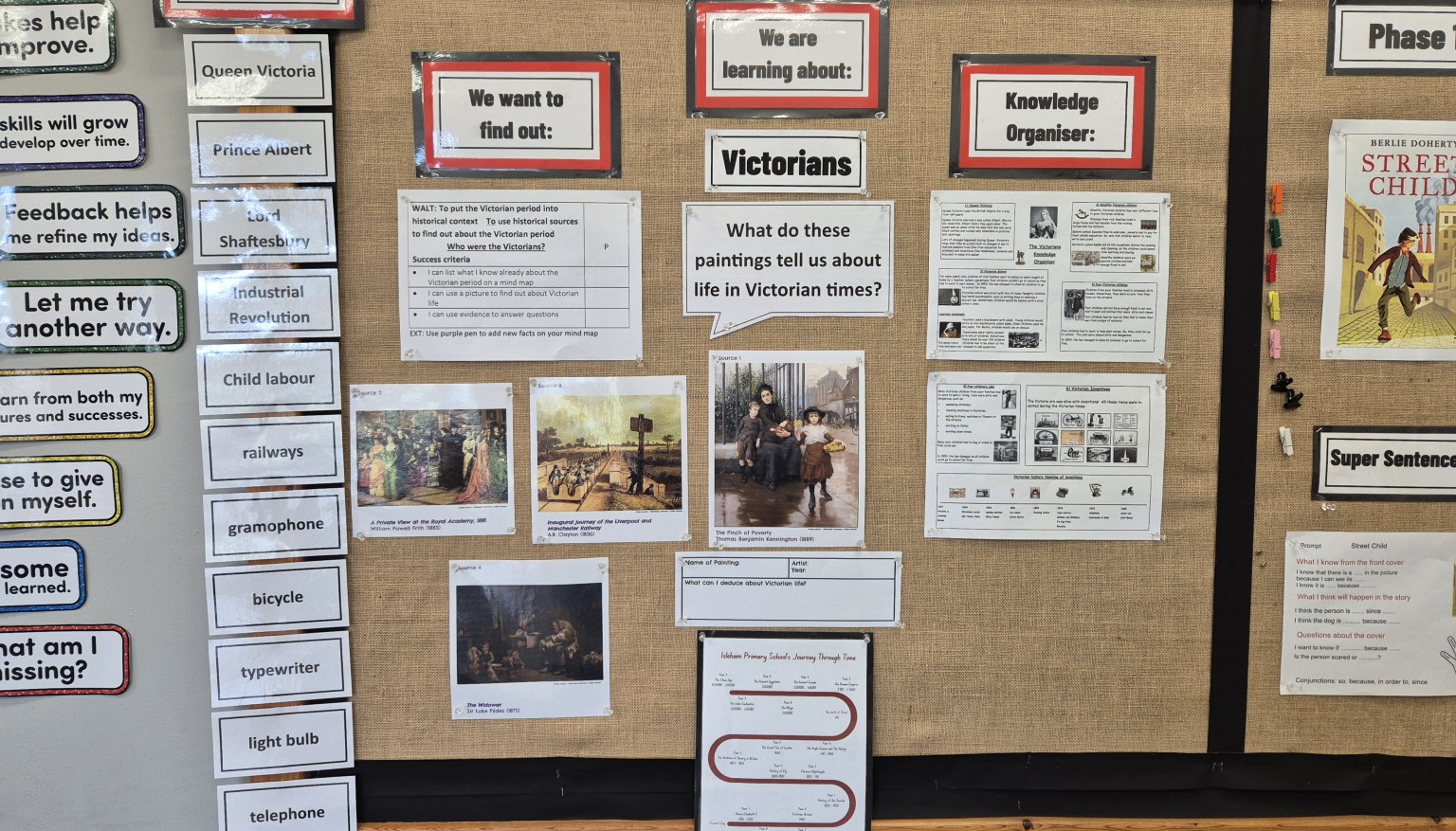
History Spring 1: Were the Vikings raiders, traders or something else?
 
In our Kapow History, we will be learning about The Vikings. Year 5 will be investigating what the Vikings were really like, creating a Viking trade route game, writing their version of a Viking saga, evaluating the impact of the Viking invaders on Britain and displaying the achievements of the Vikings in a 'Viking achievement gallery.  
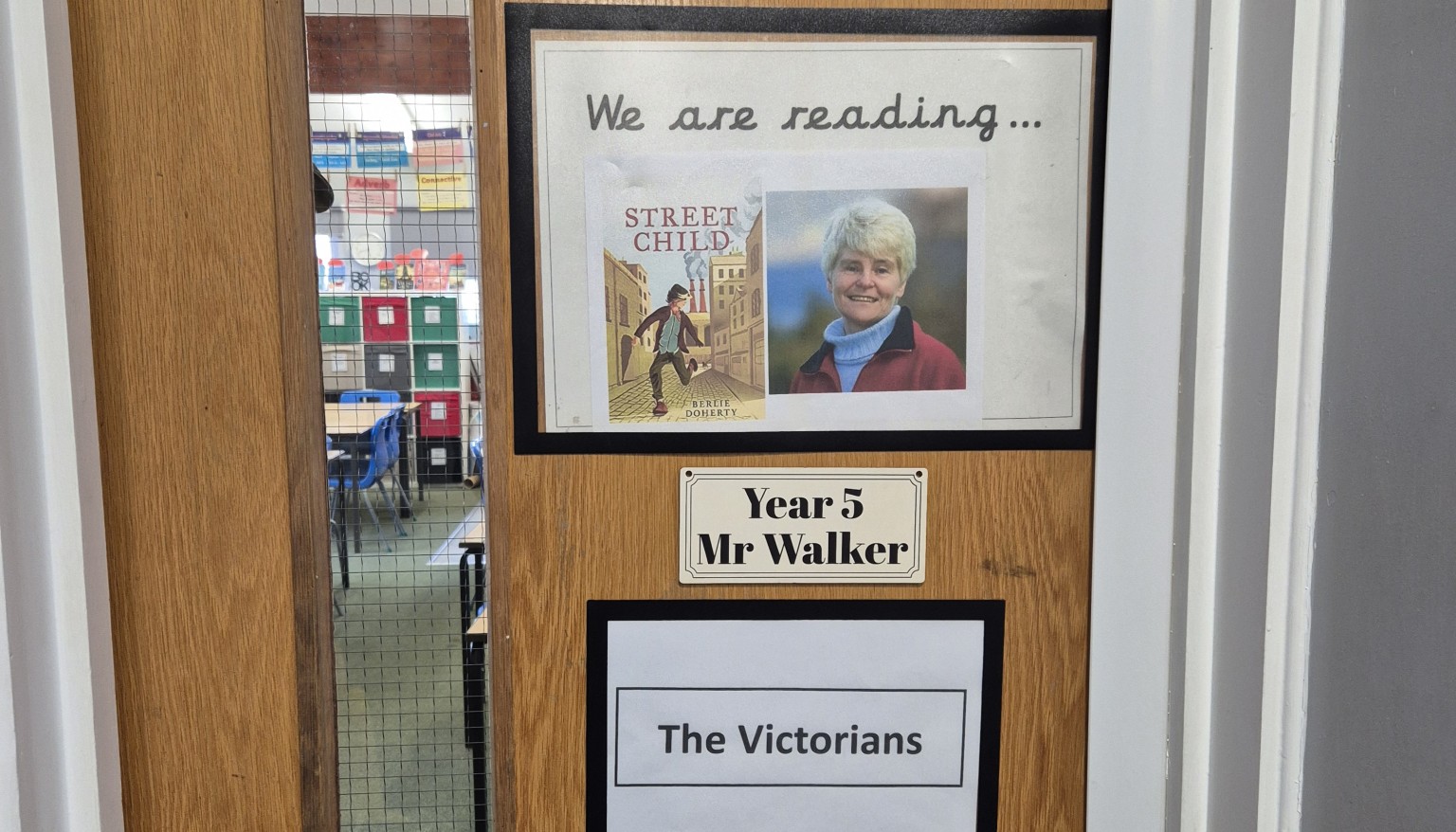
  • Victorian History Display
You must consent to the use of 3rd Party cookies to view this content.
Design Technology Spring 2
 
During Spring 2 Year 5 will be exploring how bridge designs and materials affect strength and stability through building a wooden truss bridge. 
 
The children will:
 
Lesson 1: Arch and beam bridged
Lesson 2: Spaghetti truss bridges
Lesson 3. Building bridges
Lesson 4: Finalising bridges
You must consent to the use of 3rd Party cookies to view this content.
Computing - Spring 1 Databases
 
In computing, we will be using the Purple Mash app 2investigate. Year 5 will searcg databases in different ways to help answer questions. The children will then contribute to a class database before creating a database around a chosen topis (Viki
 

Lesson 1: Searching a database

Lesson 2: Creating a Class database

Lesson 3: Creating a Topic Database

Lesson 4: Creating a Topic Database 2
PSHE Spring 1: Healthy and Safer Lifestyles
 
Our theme for this half-term is 'Managing safety and risk' and will be taught by Mrs Gordon.

Music Spring 1: South and West Africa
 
In Year 5, we follow the Kapow scheme for Music. The children will learn 'Shosholoza' a traditional South African song, play accompanying chords using tuned percussion and learn to play the djembe. They will also learn a traditional West African drum and add some dance moves ready to perform the song in its entirety.
 
Lesson 1: Shosholoza a cappella
Lesson 2: Playing Shosholoza
Lesson 3: The Shosholoza show
Lesson 4: Drumming away to Africa
Lesson 5: Eight-beat breaks
 
You must consent to the use of 3rd Party cookies to view this content.
 French Spring 1 - Shopping in France
 
Mrs Gordon will be teaching this unit.
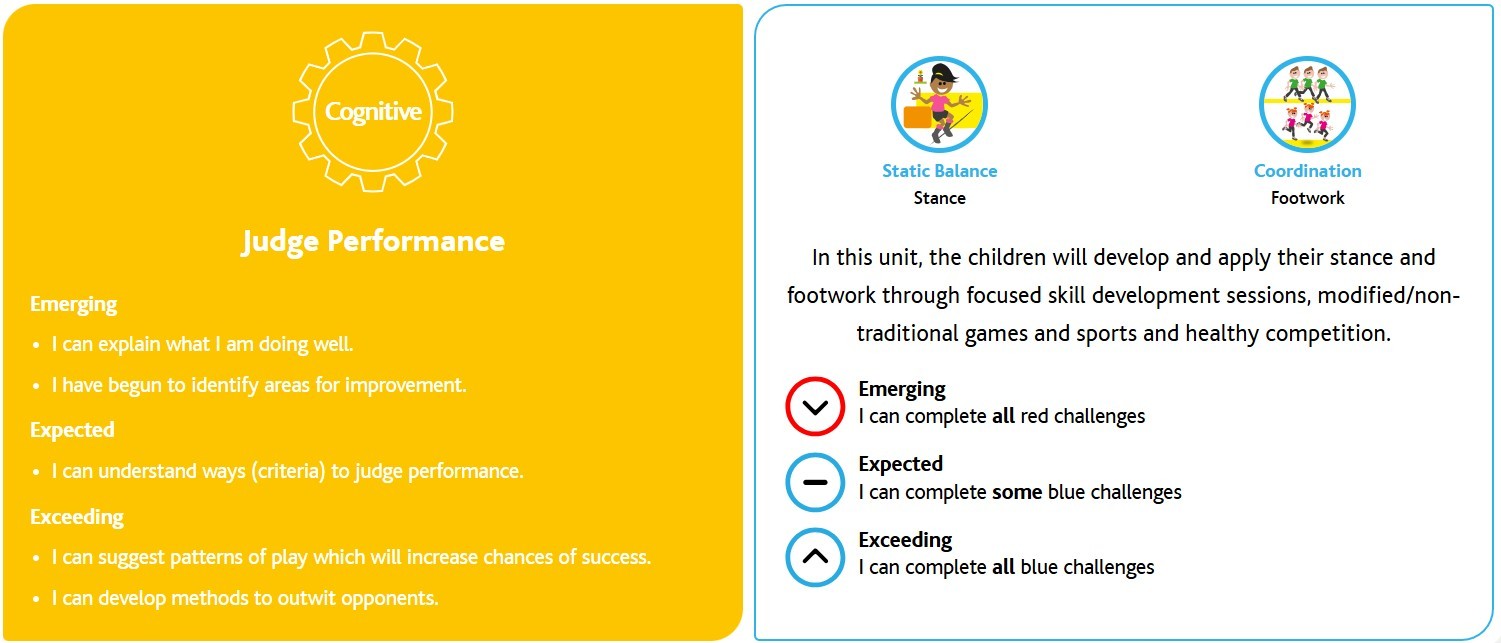
PE - Spring 1 Indoor : Cognitive, Outdoor: Netball
 
ICognitive: (Stance and Footwork) In our indoor RealPE lessons the children will develop and apply their stance and footwork through focused skill development sessions, modified / nontraditional games and sports and healthy competition.
For outdoor PE we use Getset4pe. In Spring 1 Year 5 will be learning Netball. The children will develop their understanding of the attacking and defending principles of invasion games. The pupils will have to think about how they use skills , strategies and tactics to outwit the opposition.
 
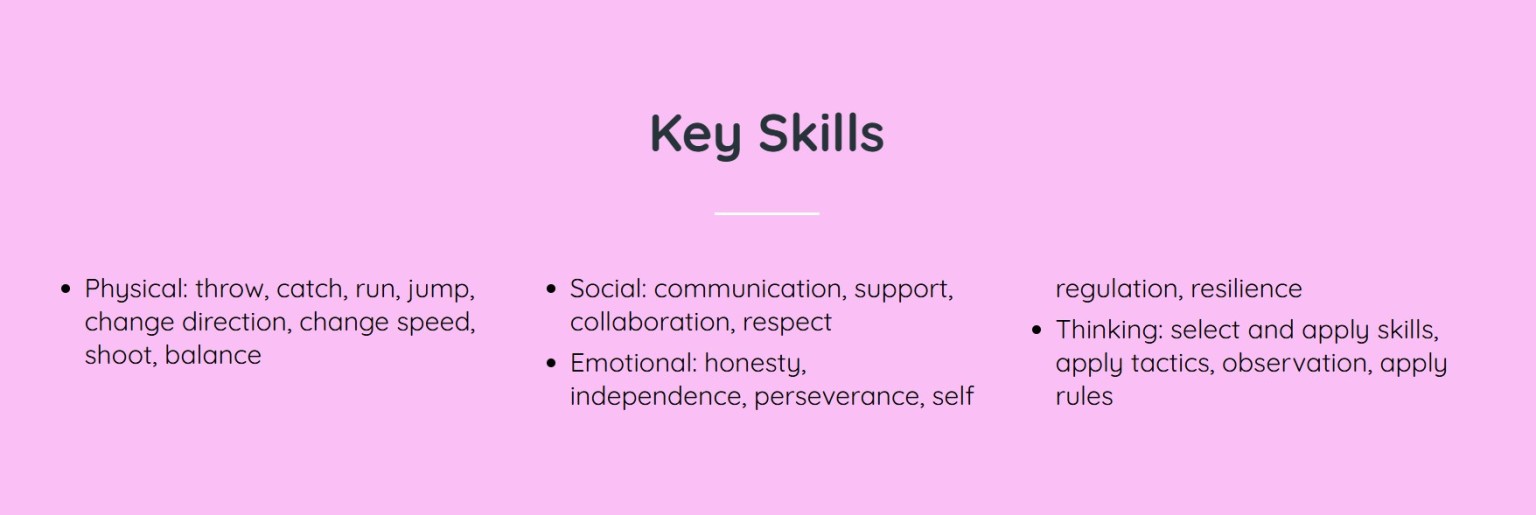
  • skills
Isleham C of E Primary School
All rights reserved. 2025
  • Ofsted Good Provider
  • Healthy School
  • SIAMS Outstanding Oxford Diocesan
Policies and
Accessibility Statement
eSchools - Making Schools Click
Log in
​